Whether you’re updating your LinkedIn profile, building a company website, creating marketing materials, or strengthening your personal brand, few images are more important than your headshot.
For many people, a headshot is the first impression they make online.
Before a prospect:
- calls your business
- schedules a meeting
- hires your company
- connects on LinkedIn
- or visits your office
They may see your headshot.
And in a world where trust is often built digitally before it is built in person, that image matters.
A great headshot can communicate:
- professionalism
- confidence
- approachability
- credibility
- personality
A poor headshot can unintentionally communicate the opposite.
The good news is that creating a strong headshot is not about being a model or having perfect features. It’s about understanding lighting, composition, expression, and presentation.
Here’s how to shoot a headshot that helps you put your best face forward.
Table of Contents
What Is a Headshot?
A headshot is a professional portrait that focuses primarily on a person’s face and upper shoulders.
Unlike a casual snapshot, a professional headshot is intentionally designed to represent:
- you
- your role
- your brand
- your business
The best headshots feel authentic while still appearing polished and professional.
Why Headshots Matter More Than Ever
People do business with people they trust.
A strong headshot helps humanize your brand and create familiarity before a conversation even begins.
Professional headshots are commonly used on:
- company websites
- LinkedIn profiles
- speaker biographies
- business cards
- social media accounts
- press releases
- email signatures
- marketing materials
When someone searches your name or visits your website, your headshot often becomes part of your professional identity.
The Biggest Mistake People Make
The most common mistake isn’t poor lighting or an outdated camera.
It’s treating a headshot like a casual selfie.
A headshot is not simply a photo of your face.
It’s a branding asset.
Before taking a photo, ask:
What do I want this image to communicate?
A financial advisor may want to project trust and confidence.
A realtor may want to appear approachable and energetic.
A business owner may want to balance professionalism with personality.
The best headshots align with the person’s role and brand.
Start With the Right Clothing
Your clothing should support the photo, not distract from it.
Generally, solid colors work better than busy patterns.
Avoid:
- distracting logos
- loud graphics
- neon colors
- overly trendy styles
Instead, choose clothing that reflects your profession and audience.
For many professionals, timeless beats trendy.
You want a photo that still looks current several years from now.
Choose a Background That Supports the Subject
The goal of a headshot is to highlight the person.
Not the background.
Popular options include:
Studio Backgrounds
Clean and professional.
Ideal for:
- executives
- attorneys
- healthcare professionals
- corporate teams
Environmental Backgrounds
Taken in a workplace or real-world setting.
Useful for:
- contractors
- business owners
- creatives
- service professionals
Environmental portraits can add context while still keeping the focus on the subject.
Outdoor Backgrounds
Natural light can create beautiful results when used correctly.
The key is ensuring the background remains complementary rather than distracting.
Lighting Is Everything
Photography is fundamentally the art of capturing light.
The quality of your lighting will often have a bigger impact than the camera itself.
Good lighting creates:
- flattering skin tones
- natural shadows
- dimensionality
- professional polish
Poor lighting creates:
- harsh shadows
- unflattering angles
- washed-out features
- amateur-looking images
Professional photographers spend enormous amounts of time perfecting lighting because it is often the most important element of the image.
Natural Light vs. Studio Lighting
Both can produce excellent headshots.
Natural Light
Natural light often creates a softer, more approachable look.
Ideal conditions include:
- open shade
- overcast skies
- indirect sunlight
Avoid harsh midday sun whenever possible.
Studio Lighting
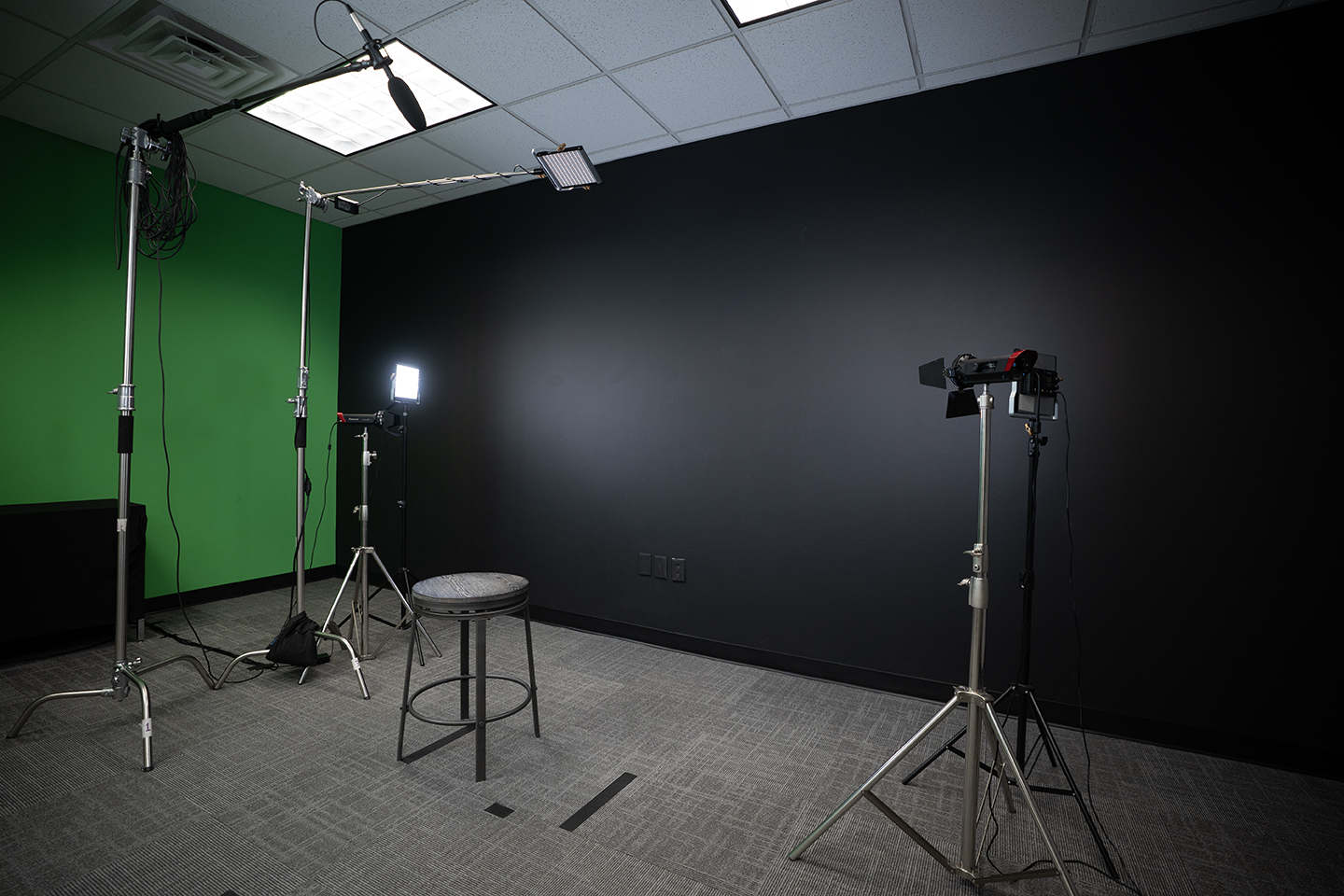
Studio lighting offers maximum control.
Benefits include:
- consistency
- predictability
- precision
- repeatability
This is often preferred for team headshots where a consistent look is important.
Camera Position Matters
One of the easiest ways to improve a headshot is adjusting camera height.
Generally:
- The camera should be at or slightly above eye level.
- Extreme high angles can look unnatural.
- Low angles often create unflattering perspectives.
The goal is a natural and confident viewpoint.
Pay Attention to Posture
Good posture communicates confidence.
Try:
- standing tall
- relaxing your shoulders
- elongating your neck slightly
Many photographers recommend subtly leaning your forehead toward the camera.
This small adjustment can help define the jawline and create a more engaging portrait.
Expression Is More Important Than Most People Realize
People often focus on:
- clothing
- lighting
- camera gear
But expression is what creates connection.
The best headshots typically look:
- confident
- approachable
- authentic
Forced smiles rarely work.
Neither do overly serious expressions unless appropriate for the industry.
The goal is to look like the best version of yourself.
Not someone else.
Where Should You Look?
In most cases:
Look directly into the camera.
Eye contact creates connection.
When viewers see your headshot, direct eye contact often helps establish:
- trust
- confidence
- familiarity
Some environmental portraits may use off-camera looks, but direct eye contact remains the most common approach for professional headshots.
The Importance of Sharp Focus
Your eyes should be the sharpest part of the image.
When people view portraits, their attention naturally gravitates toward the eyes.
If the eyes aren’t sharp, the image often feels less professional.
This is one reason professional photographers place so much emphasis on precise focusing.
Should You Retouch a Headshot?
Light retouching is common and often beneficial.
The goal should be to:
- reduce distractions
- maintain authenticity
Good retouching enhances a photo without making the subject appear artificial.
Avoid excessive editing that dramatically changes:
- facial features
- skin texture
- overall appearance
People should still recognize you when they meet you.
Consistency Matters for Teams
If you’re photographing multiple employees, consistency becomes critical.
Using the same:
- background
- lighting
- framing
- editing style
Creates a more professional appearance across the company website and marketing materials.
A cohesive team gallery strengthens brand perception.
Headshots and Personal Branding
A headshot is more than a photo.
It’s part of your brand.
Ask yourself:
Does this image reflect:
- who I am?
- what I do?
- how I want people to perceive me?
The strongest headshots align with the broader story your personal or company brand is telling.
Common Headshot Mistakes
Some of the most common issues include:
Outdated Photos
If your headshot no longer looks like you, it’s time for an update.
Poor Lighting
Even expensive cameras struggle with bad lighting.
Distracting Backgrounds
The focus should remain on the person.
Overediting
Natural almost always beats artificial.
Cropping Too Tight
Give the subject room to breathe.
Using Casual Photos Professionally
A vacation snapshot rarely performs as well as a purpose-built professional headshot.
How Often Should You Update Your Headshot?
A good rule of thumb is every:
- 2–3 years
- after major appearance changes
- after a promotion
- after a rebrand
- when launching a new business
Your headshot should accurately represent who people will meet today.
Not who you were five years ago.
Why Professional Photography Still Matters
Modern smartphones are remarkably capable.
For quick social content, they can produce excellent results.
But professional headshots benefit from:
- lighting expertise
- posing guidance
- composition
- retouching
- branding strategy
A professional photographer isn’t just taking a picture.
They’re helping shape perception.
And perception influences trust.
How TJ21 Media Group Approaches Professional Headshots
At TJ21 Media Group, we view headshots as part of a broader branding strategy.
A great headshot should:
- feel authentic
- communicate professionalism
- align with your brand
- build trust
- support your marketing efforts
Because whether someone discovers you through:
- your website
- social media
- a press release
- a speaking engagement
Your headshot is often one of the first things they see.
And first impressions still matter.
Final Takeaway: The Best Headshot Looks Like You on Your Best Day
The goal of a headshot isn’t perfection.
It’s connection.
A strong headshot communicates confidence, credibility, and personality while remaining authentic to who you are.
The best professional portraits don’t make someone look like a different person.
They make them look like the best version of themselves.
And that’s exactly what a great headshot should do.