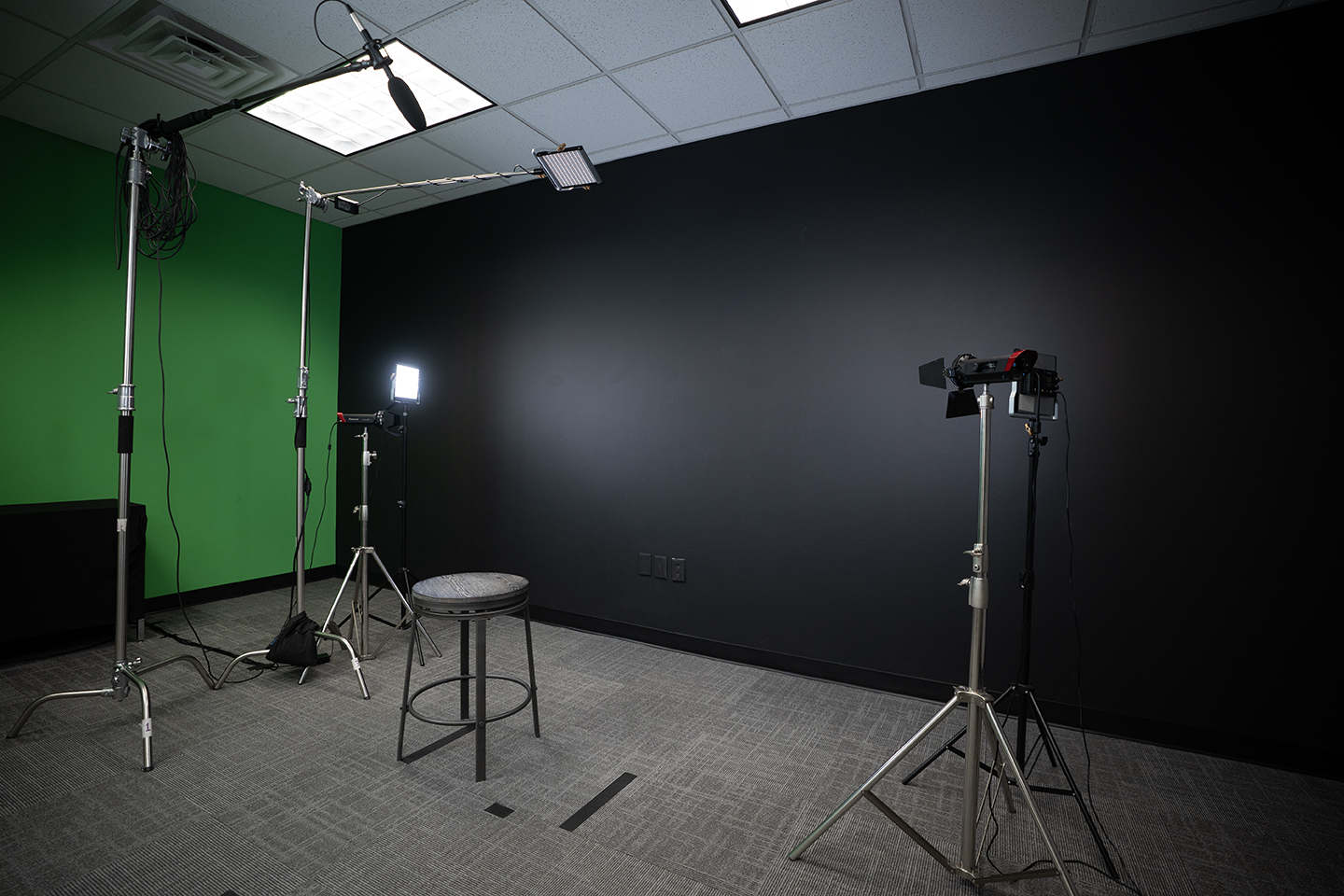
For many businesses, captions are treated as an afterthought.
They’re often added because:
- social media platforms recommend them
- videos autoplay without sound
- accessibility standards encourage them
But captions are much more than a convenience feature.
In today’s search landscape, captions have become one of the most overlooked SEO assets available to businesses creating video content.
They help:
- search engines understand your content
- improve accessibility
- increase engagement
- support AI search visibility
- create additional keyword relevance
- improve user experience
And as video continues to dominate digital marketing, the importance of captions is only growing.
If your business invests in video but ignores captions, you’re leaving a significant amount of value on the table.
Table of Contents
What Are Video Captions?
Video captions are synchronized text that displays spoken dialogue and sometimes important sounds within a video.
There are generally two types:
Open Captions
These are permanently embedded into the video itself.
They cannot be turned off.
You’ll commonly see these on:
- Instagram Reels
- TikToks
- Facebook videos
- YouTube Shorts
Closed Captions
These can be enabled or disabled by the viewer.
They’re commonly used on:
- YouTube
- streaming platforms
- educational content
- website video players
Both can provide significant benefits.
Why Most People Watch Videos Without Sound
One of the biggest reasons captions matter is surprisingly simple:
Many users aren’t listening.
People often watch videos:
- in waiting rooms
- at work
- in public places
- while multitasking
- with their phone muted
Numerous studies throughout the years have consistently shown that a large percentage of social media videos are viewed with the sound off initially.
Without captions, viewers may never understand your message.
With captions, your content remains accessible regardless of audio settings.
Captions Improve User Engagement
Engagement is one of the strongest indicators of content effectiveness.
When viewers can immediately understand what’s being said, they’re more likely to:
- keep watching
- stay engaged
- absorb information
- complete the video
Captions reduce friction.
And reducing friction generally improves performance.
This is one reason many marketers see higher retention rates when captions are included.
Search Engines Can’t Watch Videos Like Humans Can
One of the most important SEO concepts to understand is this:
Search engines don’t watch videos the way people do.
While search engines have become remarkably sophisticated, they still rely heavily on contextual information to understand video content.
That information often comes from:
- titles
- descriptions
- metadata
- transcripts
- captions
Captions help provide searchable text that explains what is happening in the video.
This gives search engines significantly more context.
Captions Create Indexable Content
A video by itself contains limited searchable text.
Captions transform spoken words into written content.
This creates valuable information that can help search engines understand:
- topics
- services
- locations
- products
- expertise
- industry terminology
For example, a video discussing:
- website design
- SEO
- video marketing
- South Bend businesses
Provides search engines with clear signals about those subjects when properly captioned.
Without captions, much of that context can be lost.
Captions Support Long-Tail Keywords
One of the biggest advantages of captions is the natural inclusion of conversational language.
People rarely speak the same way they write.
In a video, a business owner might naturally say:
“How much does website design cost for a small business in South Bend?”
That phrase might never appear elsewhere on the page.
Yet it closely matches how potential customers actually search.
Captions help preserve these valuable long-tail keyword opportunities.
Captions Help with AEO and GEO
Traditional SEO focuses on search rankings.
Modern search increasingly includes:
- AEO (Answer Engine Optimization)
- GEO (Generative Engine Optimization)
AI-powered systems increasingly pull information from:
- structured content
- transcripts
- contextual information
- clearly written text
Captions help transform video content into machine-readable content.
This makes it easier for AI systems to:
- understand your expertise
- identify relevant topics
- retrieve information
- generate answers
As AI search grows, captions become even more valuable.
Video Captions and Accessibility
Accessibility is one of the most important reasons to use captions.
Captions help users who:
- are deaf
- are hard of hearing
- have auditory processing challenges
But accessibility benefits extend beyond those groups.
Captions also help:
- non-native speakers
- users in noisy environments
- users watching without sound
- users consuming content quickly
Accessibility improvements often improve usability for everyone.
Captions Increase Watch Time
Watch time is one of the most important metrics on video platforms.
The longer viewers stay engaged:
- the more likely platforms are to promote content
- the more likely viewers are to retain information
- the stronger overall performance tends to be
Captions can improve comprehension immediately, which often helps reduce drop-off rates.
This is especially important during the first few seconds of a video.
Why Captions Matter for YouTube SEO
YouTube is both:
- a video platform
- a search engine
Proper captions and transcripts help YouTube better understand:
- subject matter
- relevance
- audience intent
This can improve discoverability for searches related to the video’s topic.
Captions also create additional opportunities for YouTube to connect videos with relevant search queries.
Captions Improve Website SEO Too
Many businesses embed videos on:
- service pages
- landing pages
- blog articles
- homepages
Captions and transcripts help turn those videos into useful text content that supports page relevance.
This can strengthen:
- topical authority
- keyword coverage
- semantic relevance
- user experience
Instead of presenting only a video, you’re providing both multimedia and text-based value.
Captions Help Build Topical Authority
Search engines increasingly reward expertise and depth.
Every captioned video contributes additional content around:
- your services
- your industry
- customer questions
- educational topics
Over time, this helps strengthen your overall content ecosystem.
One video can become:
- a YouTube upload
- a Reel
- a Short
- a blog article
- an FAQ source
- a transcript resource
Captions are often the bridge that makes this possible.
The Hidden Power of Video Transcripts
Many businesses stop at captions.
The smartest marketers go further.
Captions can become full transcripts that are repurposed into:
- blog posts
- FAQs
- service content
- social media captions
- email newsletters
- AI-search-friendly content
This is one of the reasons TJ21 frequently discusses content pillar strategies.
One recorded conversation can generate dozens of marketing assets.
Common Caption Mistakes
Not all captions are equally effective.
Common issues include:
Auto-Generated Errors
Automated captions often misinterpret:
- names
- technical terms
- locations
- industry terminology
Reviewing captions for accuracy is important.
Poor Timing
Captions should be synchronized naturally with speech.
Delayed captions create a poor experience.
Tiny Text
Mobile users need captions that are easy to read.
Visibility matters.
Ignoring Keywords and Terminology
Industry-specific language should be accurately reflected.
This improves both understanding and search relevance.
How TJ21 Media Group Uses Captions Strategically
At TJ21 Media Group, captions aren’t simply an accessibility feature.
They’re part of a larger content strategy.
We use captions to help:
- improve engagement
- support SEO
- increase retention
- create transcripts
- strengthen topical authority
- improve AI-search visibility
Because modern video marketing isn’t just about creating content.
It’s about creating content that can be understood by:
- people
- search engines
- AI systems
Final Takeaway: Captions Turn Video Into Searchable Content
Video is one of the most powerful forms of communication available to businesses today.
But without captions, much of that value remains locked inside the video itself.
Captions transform spoken words into searchable, accessible, machine-readable content.
They help:
- users
- search engines
- AI systems
- social platforms
Understand what you’re saying.
And in a future increasingly driven by AI search, voice search, and video-first content, that understanding becomes a competitive advantage.
Captions don’t just make videos easier to watch.
They make videos easier to find.
And that’s why every business investing in video marketing should view captions as part of its SEO strategy—not an optional extra.